
Leak detection
Accurate localization of water ingress on flat roofs without removing waterproofing or insulation layers.

LeakFinder provides accurate leak detection and waterproofing diagnostics of flat roofs, without dismantling roof layers or creating unnecessary costs. We help you locate defects in the roof membrane and support planning of long-term repairs.
LeakFinder specializes in flat roof leak detection and waterproofing diagnostics using high-voltage electronic testing. This method allows fast, accurate and completely non-destructive identification of defects in waterproofing membranes, without flooding the roof with water.
Compared to traditional water testing methods, high-voltage testing offers:
High-voltage leak detection is ideal for:
Regardless of the membrane type or age of the building, our equipment detects even the smallest defects that may cause future leaks.
LeakFinder is a specialized company focusing on flat roof leak detection across the territory of the Republic of Serbia. LeakFinder provides professional, high-quality and reliable protection of your roof and building using innovative technology.
Our mission is fast and high-quality resolution of roof leaks, as well as planning and supervision of roof repair works under the best technical and financial conditions for the investor.
We are specialized in waterproofing inspections of flat roofs, leak detection, membrane testing and diagnostics on commercial, industrial and residential buildings.
Our vision is to be the leading expert in leak detection and high-quality repair works.
We aim to become a regional leader in the Balkans in detection and repair of roof membranes, as well as in pre-handover roof inspections to prevent major future investments during the life cycle of the roof.
LeakFinder provides flat roof leak detection, membrane testing and waterproofing diagnostics across the entire Republic of Serbia. We work with investors, companies, facility managers and private clients regardless of location.
Our most frequent service areas include:
If your location is not on the list, no worries — we cover all regions of Serbia and provide on-site inspections as needed.
Our services are used by investors and real-estate developers, owners and tenants of commercial and industrial buildings, residential building managers, roofing and waterproofing contractors, as well as companies that plan or already operate rooftop solar power plants. We also frequently cooperate with facility management and technical maintenance teams who require independent verification of roof watertightness.
We are currently building a detailed reference portfolio. Upon request, we can provide typical project examples and show how leak detection supports repair planning and protects long-term investments throughout the life cycle of the building.
Accurate localization of water ingress on flat roofs without removing waterproofing or insulation layers.
Identification of cracks, punctures, weak joints and all defects that compromise the waterproofing performance of the roof.
Using High Voltage Leak Testing (HVLT) methods to quickly and reliably detect even the smallest failures in roof membranes.
Reports, repair recommendations and consulting during roof refurbishment works to ensure long-term protection.
Before installing solar panels on a flat roof, the waterproofing membrane should be checked to ensure that it is in good condition. This helps prevent hidden defects that could later cause leaks and expensive interventions below the PV structure.
A more detailed technical explanation of the high-voltage testing method is available in the Technology section. Here we focus on preparing the roof for a solar power plant.
LeakFinder applies modern inspection methods for roof membranes, including High Voltage Leak Testing (HVLT). This technology makes it possible to precisely locate even the smallest defects and breaches in waterproofing systems, without damaging the roof structure.
High-voltage testing provides:
Before high-voltage testing, we perform a detailed visual inspection of the roof area that will be tested. During this step we check all visible details, including:
The purpose of the visual inspection is to identify all visible risk points and mark critical areas that will be checked again during HVLT testing.
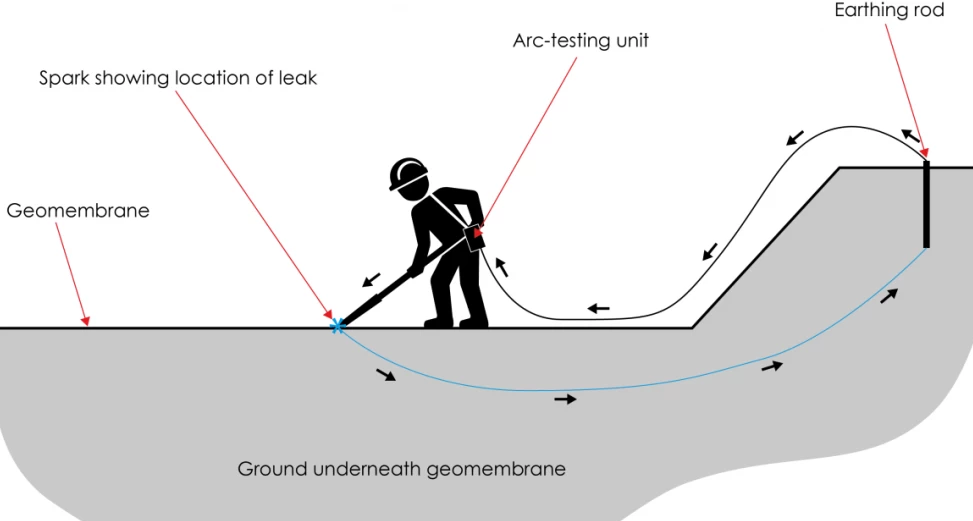
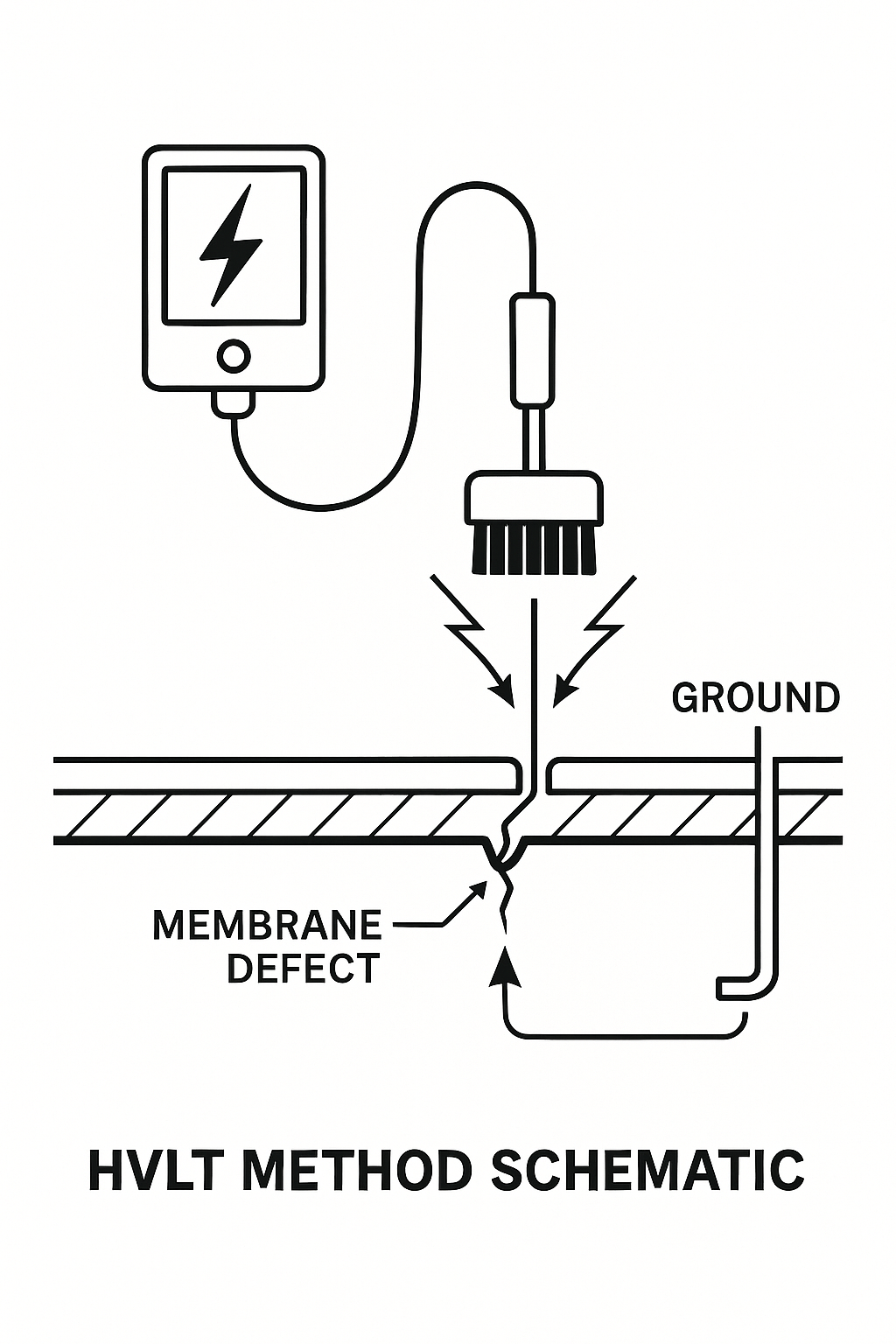
High Voltage Leak Testing is an electronic method for testing the watertightness of roof membranes. The method does not require flooding the roof with water, which means there is no risk of water entering the building during the test.
If there is any defect in the installation or subsequent damage to the membrane, HVLT enables precise localisation of the leak point before water penetrates into the lower layers of the roof structure and into the interior.
Basic principle:
In this way, exact leak locations are found without damaging the roof and without using ponding water tests.
Special attention is given to seams and detailing of the waterproofing membrane, as they are the most common failure points.
This ensures that all seams are properly welded and watertight, and any irregularities are recorded in the final report.
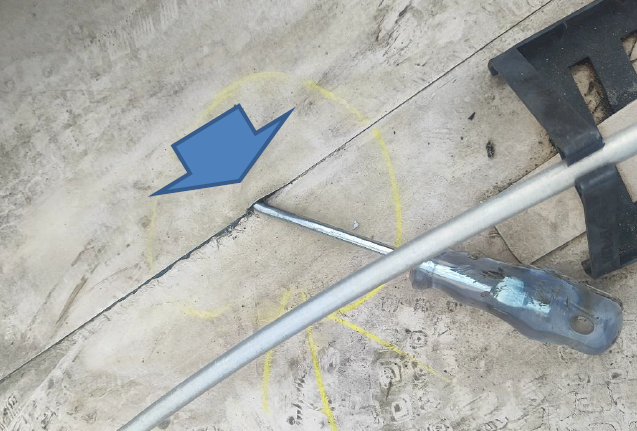
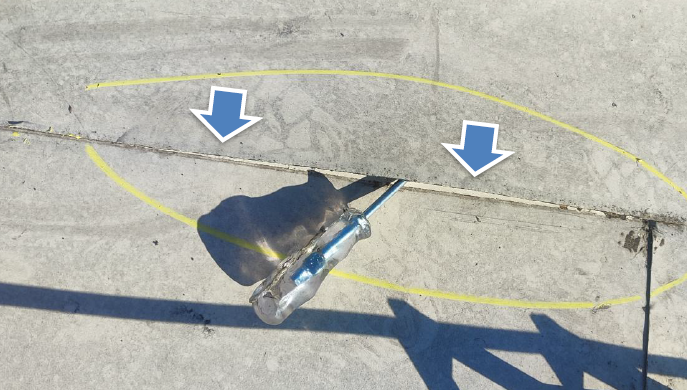
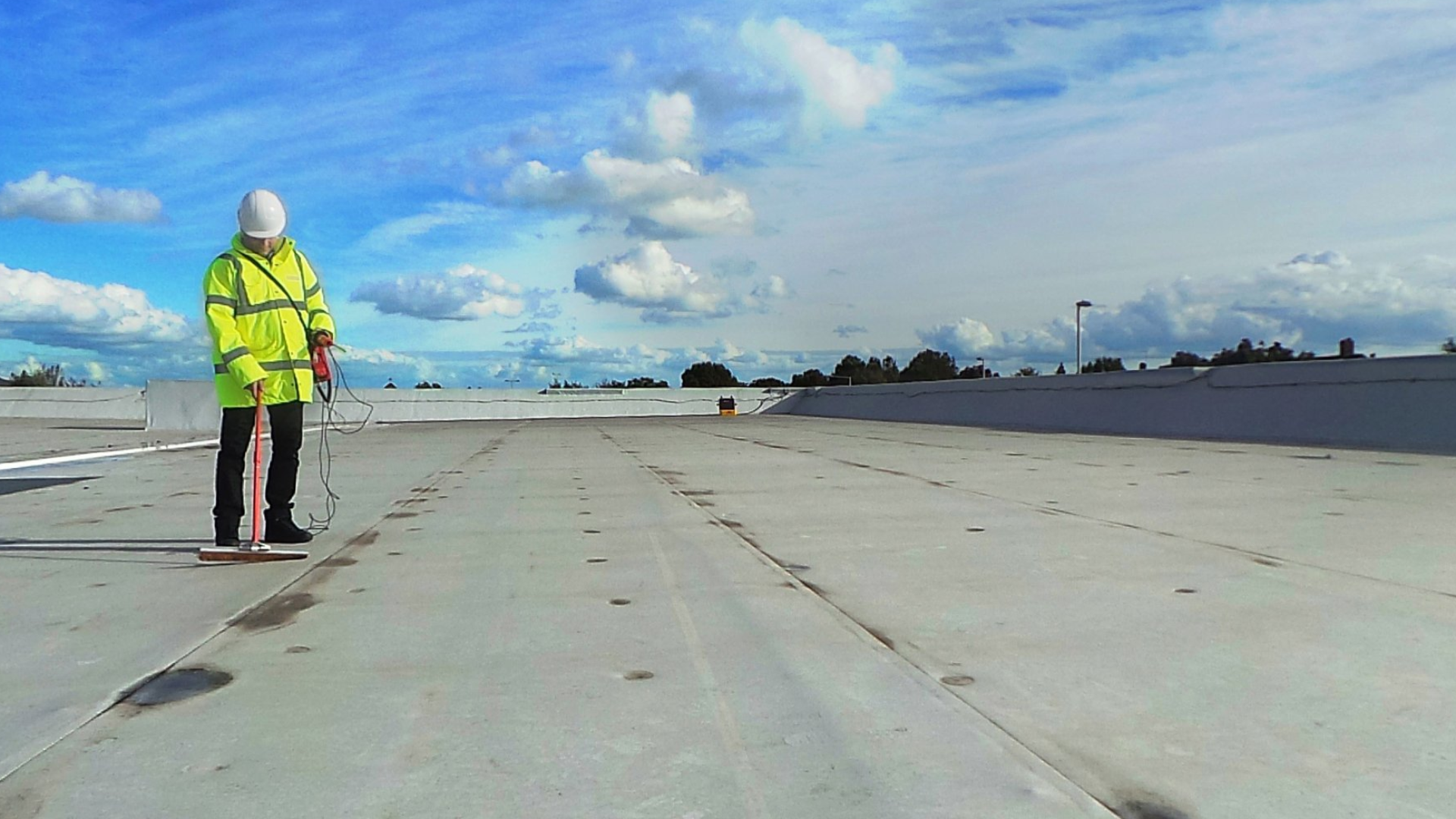
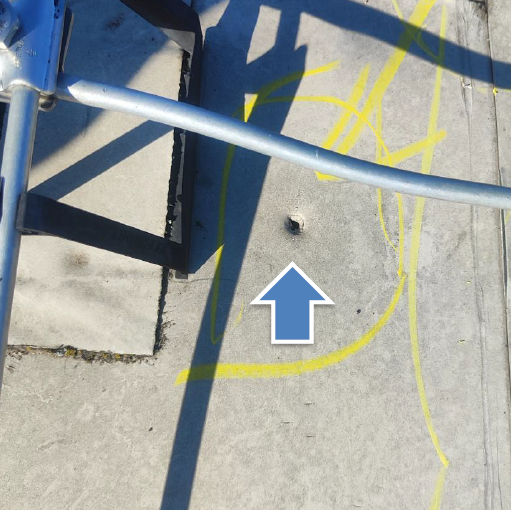
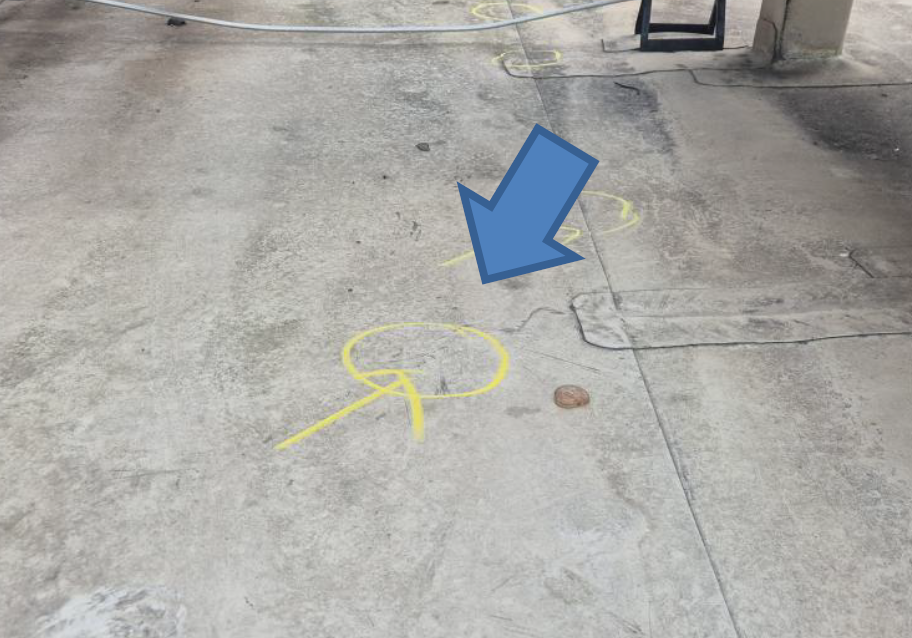
Examples of field inspections and typical flat roof leak detection scenarios.
LeakFinder
Luja Daviča 5
Novi Beograd, Serbia
PIB (VAT No.): 115413448
MB (Company ID): 22154419
Phone: +381 63 772 44 68
Email: office@leakfinder.rs
Web: leakfinder.rs
Send us basic information about the building and the issue you are facing. Our engineering team will review your request and get back to you with an inspection proposal and quote.
Roof leaks are usually caused by very small defects in the waterproofing membrane that are not visible to the naked eye. Electronic flat roof leak detection (HVLT method) makes it possible to precisely locate the point where the membrane allows water to pass, without opening the roof build-up.
During the inspection, every leak point is marked on the roof and included in the report so that the contractor knows exactly where to repair.
Membrane testing is recommended in the following cases:
No. Testing is only possible when the waterproofing membrane is the final (exposed) layer and the membrane surface is accessible for inspection. If there is any additional layer above the membrane, such as gravel, a green roof system, cement screed, tiles or similar, testing is not possible unless that layer is removed.
In most cases, the complete flat roof inspection is carried out within a single working day. The exact duration depends on the roof area, number of details and upstands, installations and overall accessibility of the roof.
High-voltage testing is performed on dry membranes and strictly according to the equipment guidelines. It is safe for the building, occupants and all installations below the roof. The electrical circuit closes only at the defect point in the membrane.
No, the inspection is fully non-destructive. We do not remove insulation, roof layers or structural elements. The membrane is tested from the top surface and defects are marked without dismantling.
After the flat roof leak detection, you receive a report containing: